Embark on a journey to discover the secrets of securing the best mortgage rates, unraveling the complexities and unveiling the strategies that can save you money in the long run.
Delve into the world of mortgage rates and emerge with the knowledge to make informed decisions for your financial future.
Understanding Mortgage Rates
When it comes to getting a mortgage, understanding mortgage rates is crucial. Mortgage rates refer to the interest rate charged on a mortgage loan, which determines how much you’ll pay each month and over the life of the loan.
Determining Mortgage Rates
Mortgage rates are influenced by various factors, including:
- The overall economy and current market conditions
- The borrower’s credit score and financial history
- The type of mortgage loan (fixed-rate or adjustable-rate)
- The loan amount and down payment
Fixed-Rate vs. Adjustable-Rate Mortgages
Fixed-rate mortgages have a set interest rate that does not change over the life of the loan, providing stability and predictability in monthly payments. On the other hand, adjustable-rate mortgages (ARMs) have interest rates that can fluctuate based on market conditions, potentially leading to lower initial rates but higher payments later on.
Factors Influencing Mortgage Rates
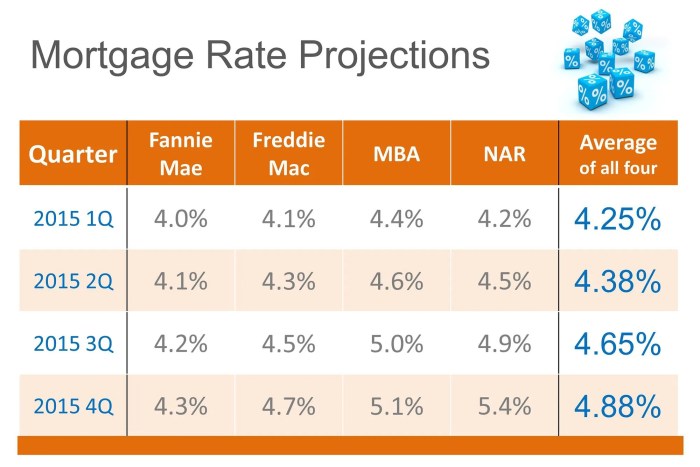
Various factors play a crucial role in determining mortgage rates, impacting the overall cost of borrowing for homeowners.
Impact of the Economy on Mortgage Rates
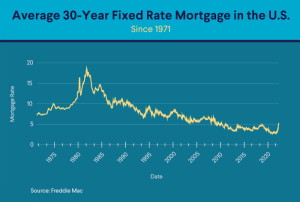
The state of the economy has a significant influence on mortgage rates. In times of economic growth and low unemployment rates, mortgage rates tend to rise. Conversely, during economic downturns or uncertainty, mortgage rates may decrease as a result of central bank policies to stimulate borrowing and spending.
Role of Credit Score in Determining Mortgage Rates
One key factor that affects the mortgage rate an individual qualifies for is their credit score. Lenders use credit scores to assess the creditworthiness of borrowers. A higher credit score typically results in a lower interest rate, as it indicates a lower risk of default. On the other hand, individuals with lower credit scores may face higher interest rates or may not qualify for certain loan programs.
Tips to Get the Best Mortgage Rates
Securing the best mortgage rates is crucial when buying a home. Here are some tips to help you achieve this:
Improve Your Credit Score
One of the most effective ways to get better mortgage rates is by improving your credit score. Lenders use your credit score to assess your risk as a borrower. A higher credit score typically translates to lower interest rates. To boost your credit score, make sure to pay your bills on time, keep your credit card balances low, and avoid opening new credit accounts unnecessarily.
Shop Around for Lenders
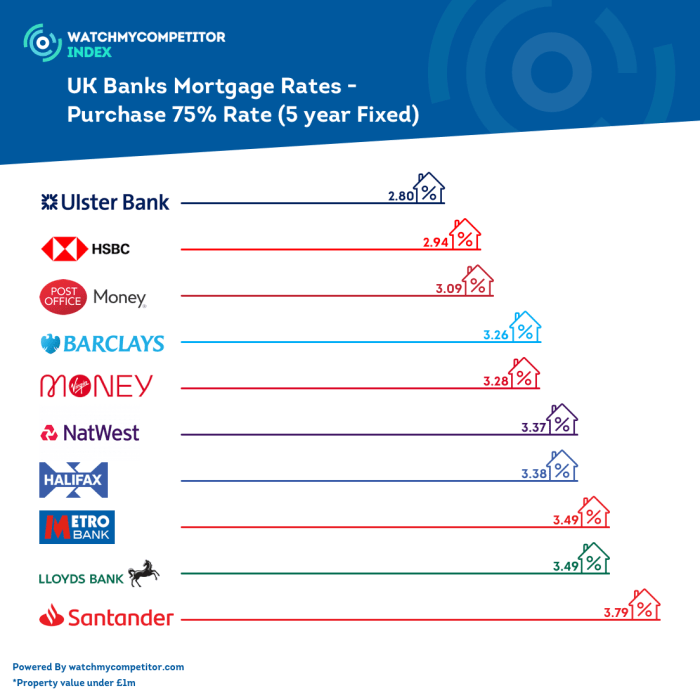
Don’t settle for the first mortgage offer you receive. It’s essential to shop around and compare rates from different lenders. Each lender may offer different rates and terms, so taking the time to explore your options can potentially save you thousands of dollars over the life of your loan.
Understand Points and Their Impact
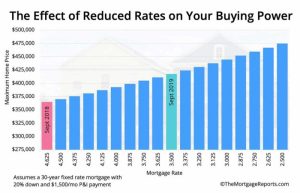
Points are fees paid to the lender at closing in exchange for a lower interest rate. One point typically equals 1% of the loan amount. Paying points upfront can reduce your interest rate, resulting in lower monthly payments. However, it’s important to calculate whether the upfront cost of points is worth the long-term savings based on how long you plan to stay in the home.
Comparison of Mortgage Offers
When looking for a mortgage, it is essential to compare offers from different lenders to ensure you are getting the best deal possible. This involves analyzing various factors such as interest rates, APR, and other fees that can significantly impact the overall cost of the loan.
How to Analyze and Compare Interest Rates, APR, and Fees
- Interest Rates: Compare the interest rates offered by different lenders. A lower interest rate can result in significant savings over the life of the loan.
- APR: The Annual Percentage Rate (APR) includes both the interest rate and any additional fees or charges. It gives you a more accurate picture of the total cost of the loan.
- Other Fees: Take into account other fees such as closing costs, origination fees, and discount points. These fees can vary between lenders and impact the overall affordability of the mortgage.
Tips for Negotiating with Lenders for Better Rates
- Shop Around: Don’t settle for the first offer you receive. Compare offers from multiple lenders to leverage better deals.
- Improve Your Credit Score: A higher credit score can help you qualify for lower interest rates. Work on improving your credit score before applying for a mortgage.
- Consider a Shorter Loan Term: Shorter loan terms often come with lower interest rates. Consider opting for a 15-year mortgage instead of a 30-year one if it fits your financial goals.
- Negotiate with Lenders: Don’t be afraid to negotiate with lenders for better rates or terms. You may be able to secure a lower interest rate or reduced fees by discussing your options.
In conclusion, mastering the art of navigating mortgage rates can lead you to substantial savings and a brighter financial outlook. Armed with the insights from this guide, you are now equipped to make the best choices for your mortgage needs.
Key Questions Answered
How can I improve my credit score to get better mortgage rates?
To enhance your credit score, focus on paying bills on time, reducing debt, and checking your credit report regularly for errors.
What is the significance of shopping around for lenders when seeking mortgage rates?
Shopping around allows you to compare offers from different lenders, giving you the opportunity to find the best rates and terms that suit your financial situation.
How do points influence mortgage rates?
Points are fees paid to the lender at closing in exchange for a lower interest rate. They can help reduce your mortgage rate but require an upfront cost.