Embark on a journey through the intricate world of Mortgage Rates Today, where borrowers navigate through fluctuating rates to secure their dream homes.
Unravel the complexities of mortgage rates, from how they are determined to the impact of global events, in this comprehensive guide.
Overview of Mortgage Rates Today
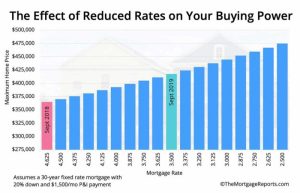
When it comes to Mortgage Rates Today, it is essential to understand what mortgage rates are and how they impact borrowers. Mortgage rates refer to the interest charged by lenders on a mortgage loan, influencing the overall cost of borrowing for homebuyers.
Determination of Mortgage Rates
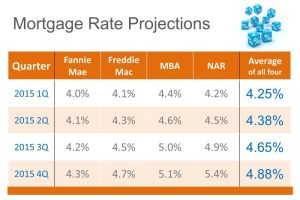
Mortgage rates are determined by lenders based on various factors, including the borrower’s credit score, loan amount, loan term, and down payment. Additionally, external factors such as economic conditions, inflation rates, and the overall housing market also play a significant role in setting mortgage rates.
Significance of Monitoring Mortgage Rates
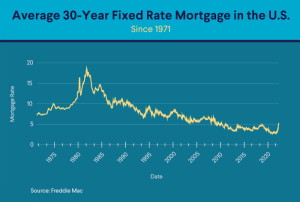
It is crucial for borrowers to regularly monitor mortgage rates as they can fluctuate frequently. By keeping an eye on mortgage rates, borrowers can take advantage of lower rates to refinance their existing loans or secure a new mortgage at a more favorable rate, ultimately saving money in the long run.
Factors Influencing Mortgage Rates
Various factors play a crucial role in determining mortgage rates, impacting borrowers and lenders alike.
Economic Indicators
Economic indicators such as Gross Domestic Product (GDP), unemployment rates, and consumer confidence can significantly influence mortgage rates. For example, a strong GDP growth may lead to higher mortgage rates as lenders demand higher returns in a robust economy.
Inflation
Inflation is another key factor affecting mortgage rates. When inflation rises, the purchasing power of currency decreases, prompting lenders to increase interest rates to maintain their return on investment. Conversely, low inflation rates may result in lower mortgage rates to stimulate borrowing and spending.
Federal Reserve’s Monetary Policy
The Federal Reserve plays a pivotal role in setting the federal funds rate, which serves as a benchmark for many interest rates, including mortgages. Changes in the Fed’s monetary policy, such as raising or lowering interest rates, can directly impact mortgage rates. For instance, a rate hike by the Fed could lead to an increase in mortgage rates.
Global Events
Global events, such as geopolitical tensions, trade disputes, or economic crises in other countries, can also influence mortgage rates. Uncertainty in the global economy may lead investors to seek safer investments like bonds, causing mortgage rates to decrease. On the other hand, positive global developments could result in higher mortgage rates due to increased demand for loans.
Types of Mortgage Rates
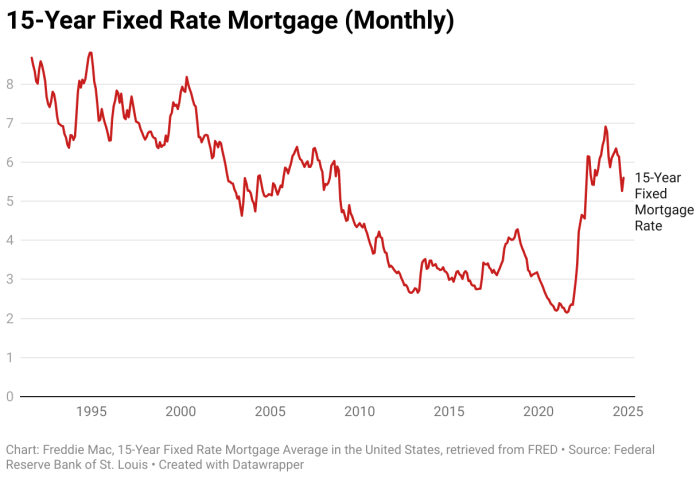
When it comes to mortgage rates, there are primarily two types that borrowers can choose from: fixed-rate mortgages and adjustable-rate mortgages. Each type has its own unique characteristics and can be suited to different financial situations.
Fixed-Rate Mortgages
Fixed-rate mortgages have an interest rate that remains the same throughout the entire term of the loan. This means that your monthly payments will also remain constant, providing predictability and stability for budgeting purposes. The main advantage of a fixed-rate mortgage is protection against rising interest rates, as your rate will not change regardless of market fluctuations. However, this also means that if interest rates decrease, you will not benefit from lower rates unless you refinance.
Adjustable-Rate Mortgages
Adjustable-rate mortgages, on the other hand, have interest rates that can fluctuate periodically based on market conditions. Typically, these mortgages start with a lower initial interest rate compared to fixed-rate mortgages, making them attractive to borrowers who plan to sell or refinance before the rate adjusts. The main advantage of an adjustable-rate mortgage is the potential for lower initial payments and the ability to benefit from falling interest rates.
However, there is also the risk of rates increasing over time, leading to higher monthly payments.In situations where borrowers prioritize stability and long-term planning, a fixed-rate mortgage is often the preferred choice. On the other hand, borrowers who are comfortable with some level of risk and anticipate changes in their financial situation may find an adjustable-rate mortgage more suitable. Ultimately, the decision between fixed-rate and adjustable-rate mortgages depends on individual financial goals, risk tolerance, and future plans.
Strategies for Getting the Best Mortgage Rates
When it comes to securing the best mortgage rates, there are several strategies that can help you save money in the long run. By following these tips, you can potentially lower your monthly payments and overall interest costs.
Improving Credit Score
One of the most crucial factors that lenders consider when determining your mortgage rate is your credit score. A higher credit score typically translates to lower interest rates. To improve your credit score, make sure to pay your bills on time, keep your credit card balances low, and avoid opening new lines of credit before applying for a mortgage.
Shopping Around and Comparing Rates
It’s essential to shop around and compare rates from different lenders before committing to a mortgage. Each lender may offer different rates and terms, so by exploring multiple options, you can ensure that you’re getting the best deal possible. Don’t hesitate to negotiate with lenders to see if they can match or beat competitors’ rates.
Understanding Points and Their Impact
When discussing mortgage rates, you may come across the concept of points. Points are fees paid directly to the lender at closing in exchange for a lower interest rate. By paying points upfront, you can reduce your interest rate over the life of the loan. However, it’s essential to calculate whether paying points will result in overall savings based on your financial situation and how long you plan to stay in the home.
Navigate the realm of Mortgage Rates Today armed with knowledge on factors influencing rates, types of mortgages, and strategies to secure the best rates for your future home.
FAQ Guide
How do mortgage rates affect borrowers?
Mortgage rates determine the cost of borrowing money for a home purchase, impacting monthly payments and overall affordability.
What are points in relation to mortgage rates?
Points are fees paid to lenders at closing in exchange for a lower interest rate, potentially reducing long-term mortgage costs.
What are the key factors influencing mortgage rates?
Economic indicators, inflation rates, and Federal Reserve policies are key factors that can influence mortgage rates.
How can borrowers secure the best mortgage rates?
Borrowers can improve credit scores, shop around for rates, and understand the differences between fixed-rate and adjustable-rate mortgages to secure the best rates.