With How Mortgage Rates Affect Home Buying at the forefront, this opening passage invites readers into a world of insightful knowledge, promising an engaging and informative read.
Exploring the nuances of mortgage rates and their impact on the home buying process, this topic delves into essential factors and strategies for navigating fluctuations in the market.
Introduction to Mortgage Rates and Home Buying
When considering buying a home, one of the key factors to take into account is mortgage rates. Mortgage rates refer to the interest charged on a mortgage loan, which directly affects the overall cost of borrowing money to purchase a home. Understanding how mortgage rates work and their impact on the home buying process is crucial for prospective buyers.
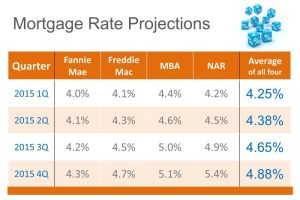
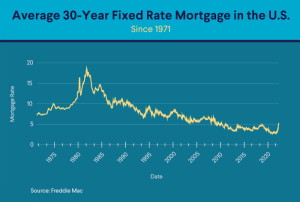
Mortgage rates play a significant role in the real estate market as they can influence the demand for homes. When mortgage rates are low, more people are inclined to buy homes, leading to increased competition and potentially driving up housing prices. On the other hand, high mortgage rates may deter buyers, slowing down the market and even causing prices to decrease.
Therefore, keeping an eye on mortgage rates is essential for both buyers and sellers in gauging market conditions.
The Importance of Understanding Mortgage Rates
Before diving into the home buying process, it is essential to have a good grasp of mortgage rates and how they can impact your purchasing power. Here are some key reasons why understanding mortgage rates is crucial:
- Affordability: Mortgage rates directly affect how much you will pay each month towards your mortgage. Higher rates mean higher monthly payments, which can impact your overall budget and the type of home you can afford.
- Negotiation Power: Knowing the current mortgage rates can give you leverage when negotiating with lenders. Being informed allows you to secure better terms and potentially save money in the long run.
- Timing: Monitoring mortgage rate trends can help you decide when it’s the right time to buy. If rates are projected to rise, you may want to act quickly to lock in a lower rate.
Factors Influencing Mortgage Rates
When it comes to determining mortgage rates, several key factors come into play, influencing the cost of borrowing for potential home buyers. Understanding these factors is crucial in making informed decisions when entering the housing market.
Economic Conditions
Economic conditions, such as the overall state of the economy, employment rates, and GDP growth, play a significant role in shaping mortgage rates. In times of economic prosperity, mortgage rates tend to rise as demand for loans increases. Conversely, during economic downturns, rates may decrease to stimulate borrowing and spending.
Inflation
Inflation is another crucial factor that impacts mortgage rates. Lenders factor in inflation rates when setting interest rates to ensure they receive a real return on their investment. High inflation can lead to higher mortgage rates to compensate for the decreased purchasing power of future loan repayments.
Credit Score
Individual credit scores also play a vital role in determining mortgage rates. Borrowers with higher credit scores are considered less risky by lenders and are offered lower interest rates. On the other hand, individuals with lower credit scores may face higher rates to offset the increased risk of default.
Market Conditions
External factors, such as global events, government policies, and market speculation, can also cause fluctuations in mortgage rates. For instance, geopolitical tensions or changes in monetary policy can lead to sudden shifts in interest rates, affecting the affordability of homes for buyers.
Impact of Mortgage Rates on Affordability
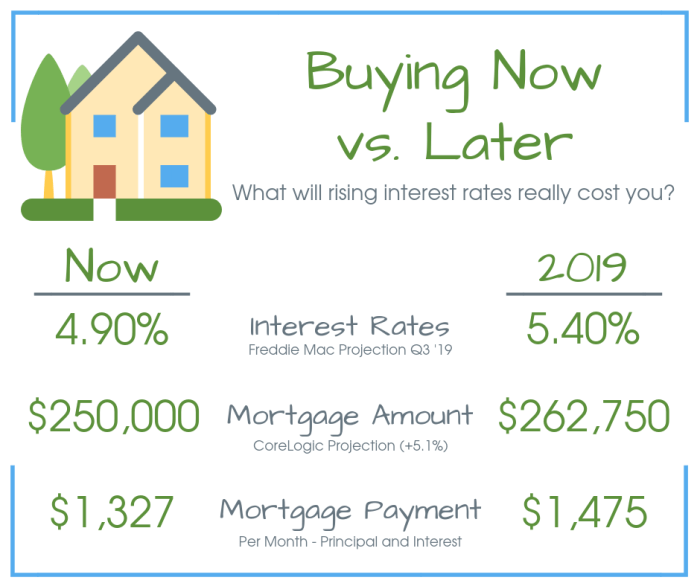
When it comes to purchasing a home, one of the key factors that significantly affects affordability is mortgage rates. Fluctuations in these rates can have a substantial impact on the overall cost of homeownership.
How Mortgage Rates Influence Purchasing Power
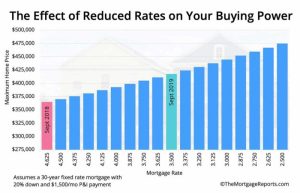
- Higher mortgage rates mean higher monthly payments for homebuyers. This reduces the purchasing power of buyers as they can afford less expensive homes.
- Conversely, lower mortgage rates translate to lower monthly payments, allowing buyers to afford more expensive properties.
- Even a small change in mortgage rates can make a significant difference in how much home a buyer can afford.
Impact of Fluctuating Mortgage Rates on Affordability
- During periods of rising mortgage rates, the cost of borrowing increases, making homeownership less affordable for many buyers.
- On the other hand, when mortgage rates are falling, buyers can capitalize on lower rates to increase their purchasing power and buy more expensive homes.
- Home affordability is not just about the price of the property but also about the cost of financing, which is heavily influenced by mortgage rates.
Mortgage Rates and Housing Market Trends
When examining the relationship between mortgage rates and housing market trends, it becomes evident that changes in mortgage rates can significantly impact the real estate market dynamics. Whether rates are on the rise or decline, these fluctuations can have far-reaching consequences for both buyers and sellers.Low Mortgage Rates Stimulating the Housing Market:One key aspect to consider is how low mortgage rates can stimulate the housing market.
When interest rates are low, borrowing costs decrease, making homeownership more affordable for potential buyers. This affordability can lead to increased demand for homes, which in turn can drive up property prices. Additionally, low rates may incentivize existing homeowners to refinance their mortgages, freeing up additional funds for spending or investment in the housing market.High Mortgage Rates Slowing Down the Housing Market:Conversely, high mortgage rates can have the opposite effect, slowing down the housing market.
When interest rates are high, borrowing costs increase, making homeownership less accessible for buyers. This decrease in affordability can dampen demand for homes, leading to a decline in property prices. Additionally, high rates may discourage existing homeowners from selling or refinancing their properties, further limiting market activity.Influence on Decision-Making:Mortgage rates can heavily influence the decision-making process of both buyers and sellers in the real estate market.
Buyers may rush to purchase homes when rates are low to take advantage of affordable financing options, leading to increased competition and higher prices. On the other hand, sellers may be more inclined to list their properties when rates are high to attract buyers with lower mortgage rates, potentially resulting in more inventory on the market.Overall, the correlation between mortgage rates and housing market trends underscores the importance of monitoring interest rate movements in the real estate industry.
Understanding how fluctuations in rates can impact market dynamics is crucial for making informed decisions as a buyer, seller, or investor in the housing market.
Strategies for Navigating Mortgage Rate Fluctuations
When dealing with fluctuating mortgage rates, it’s essential for home buyers to have a solid plan in place to navigate these changes effectively. Here are some strategies to consider:
Locking in a Mortgage Rate vs. Floating
One key decision for home buyers is whether to lock in a mortgage rate or keep it floating. Here are some benefits of each:
- Locking in a Mortgage Rate:
- Provides certainty and stability in monthly payments.
- Protects against potential rate increases in the future.
- Can be advantageous when rates are at historic lows.
- Keeping the Rate Floating:
- Allows for potential savings if rates decrease before closing.
- Provides flexibility to take advantage of lower rates.
- Can be beneficial in a declining rate environment.
Advantages of Securing a Mortgage Rate Based on Market Conditions
Timing is crucial when it comes to securing a mortgage rate. Here are some insights on when it might be advantageous to lock in a rate based on market conditions:
- During a period of rising interest rates, it is beneficial to secure a rate before it increases further.
- When rates are at historic lows, locking in a rate can provide long-term savings and financial stability.
- Monitoring market trends and economic indicators can help home buyers make informed decisions on when to secure a rate.
In conclusion, understanding how mortgage rates influence home buying decisions is crucial for prospective buyers and sellers alike, shaping the dynamics of the real estate market.
Helpful Answers
How do mortgage rates impact the affordability of homes?
Mortgage rates directly affect the cost of borrowing money for a home purchase, thus influencing the overall affordability of homes.
What factors besides economic conditions can influence mortgage rates?
Inflation rates, credit scores, and external market conditions can also play a significant role in determining mortgage rates.
Is it better to lock in a mortgage rate or keep it floating?
Locking in a rate can provide stability, while floating rates allow for potential savings if rates decrease; the choice depends on market conditions and personal preferences.