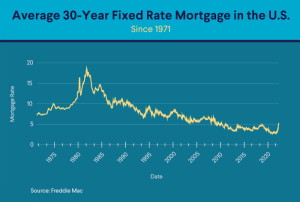
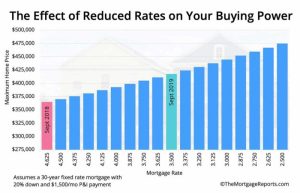
Delve into the world of historical mortgage rate trends, uncovering their impact and importance for borrowers. From the 1970s to present day, explore how economic factors shape these trends in the housing market.
Historical Mortgage Rate Trends
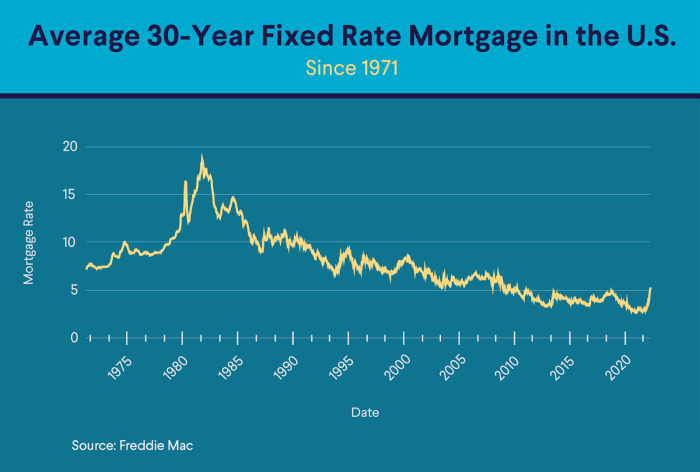
Historical mortgage rate trends refer to the patterns and fluctuations in interest rates on mortgage loans over a specific period of time. These trends play a crucial role in shaping the real estate market and impacting borrowers’ decisions.
It is essential for borrowers to monitor historical mortgage rate trends as they can provide valuable insights into when it may be a good time to buy or refinance a home. By understanding how rates have behaved in the past, borrowers can make more informed decisions regarding their mortgage options.
Key Factors Influencing Historical Mortgage Rate Trends
- Economic Conditions: Factors such as inflation, unemployment rates, and economic growth can influence mortgage rates.
- Central Bank Policies: The decisions made by central banks regarding interest rates can have a direct impact on mortgage rates.
- Market Forces: Supply and demand dynamics in the mortgage market, as well as investor sentiment, can also affect mortgage rates.
- Global Events: Geopolitical events and developments in global markets can cause fluctuations in mortgage rates.
Factors Impacting Mortgage Rates
Various economic indicators play a significant role in influencing mortgage rates. These indicators provide insights into the overall health of the economy and help lenders determine the level of risk associated with lending.
Economic Indicators Impacting Mortgage Rates
- The Federal Reserve’s monetary policy decisions, including changes to the federal funds rate, can directly impact mortgage rates. When the Fed raises rates to control inflation, mortgage rates tend to increase as well.
- Unemployment rates and job growth can also affect mortgage rates. A strong job market may lead to higher inflation, prompting lenders to raise rates to compensate for the increased cost of living.
- The housing market conditions, such as home sales and price trends, can influence mortgage rates. If the demand for homes is high, lenders may raise rates to balance the risk of lending in a competitive market.
The Role of Inflation in Mortgage Rates
- Inflation is a key factor that impacts mortgage rates. Lenders consider inflation when setting interest rates to ensure they earn a real return on their investment.
- High inflation erodes the purchasing power of money over time, leading lenders to increase rates to maintain the value of their loans. Conversely, low inflation may result in lower mortgage rates to stimulate borrowing and spending.
Comparison of Fixed-rate and Adjustable-rate Mortgages
- Fixed-rate mortgages offer stable interest rates and monthly payments throughout the loan term, providing predictability and protection against rate fluctuations. In contrast, adjustable-rate mortgages have rates that can adjust periodically based on market conditions.
- During periods of low interest rates, adjustable-rate mortgages may offer initial lower rates compared to fixed-rate mortgages. However, they carry the risk of rate increases in the future, potentially leading to higher payments for borrowers.
- Fixed-rate mortgages are ideal for borrowers seeking long-term stability and predictability in their mortgage payments, while adjustable-rate mortgages may be suitable for those planning to sell or refinance before any potential rate adjustments occur.
Historical Mortgage Rate Trends by Decade
Throughout the decades, mortgage rates have fluctuated in response to various economic factors. Let’s take a closer look at how mortgage rates have evolved in different decades.
Mortgage Rate Trends in the 1970s
The 1970s were marked by high inflation rates, which significantly impacted mortgage rates. During this decade, mortgage rates soared, reaching unprecedented levels. Homebuyers faced steep interest rates, making homeownership more challenging for many.
Impact of the 2008 Financial Crisis on Mortgage Rates
The 2008 financial crisis had a profound impact on mortgage rates. As the housing market collapsed, the Federal Reserve took measures to stimulate the economy, leading to historically low mortgage rates. This period of low rates provided opportunities for homeowners to refinance their mortgages and for new buyers to enter the market.
Evolution of Mortgage Rates from the Early 2000s to the Present
From the early 2000s to the present day, mortgage rates have experienced fluctuations in response to various economic conditions. Factors such as inflation, economic growth, and Federal Reserve policies continue to influence mortgage rates. Homebuyers and homeowners alike closely monitor these trends to make informed decisions regarding their mortgages.
Predicting Future Mortgage Rate Trends
Experts use a variety of indicators and economic factors to forecast future mortgage rate trends. These include analyzing current economic conditions, inflation rates, employment data, and the overall health of the housing market. By looking at these key factors, experts can make educated predictions about where mortgage rates may be headed in the future.
Impact of Government Policies on Predicting Mortgage Rate Trends
Government policies play a significant role in influencing mortgage rates. For example, decisions made by the Federal Reserve regarding interest rates can have a direct impact on the direction of mortgage rates. Additionally, government housing initiatives and regulations can also affect the overall mortgage rate environment. By staying informed about government policies and their potential impact on the economy, experts can better predict future mortgage rate trends.
Tools and Resources for Predicting Future Mortgage Rate Trends
There are several tools and resources available to help predict future mortgage rate trends. One common tool is the use of economic forecasts and analysis provided by financial institutions and research firms. Additionally, monitoring bond yields, particularly the yield on the 10-year Treasury note, can offer insights into where mortgage rates may be headed. Real estate market data, such as home sales and inventory levels, can also provide valuable information for predicting future mortgage rate trends.
In conclusion, understanding historical mortgage rate trends provides valuable insights for borrowers navigating the complex world of home financing. Stay informed and prepared for future rate fluctuations with the knowledge gained from this exploration.
Top FAQs
What are historical mortgage rate trends?
Historical mortgage rate trends refer to the patterns and fluctuations in interest rates charged on mortgages over a period of time.
Why is it important to monitor historical mortgage rate trends?
Monitoring historical mortgage rate trends helps borrowers make informed decisions about when to secure a mortgage based on favorable interest rates.
How do experts forecast future mortgage rate trends?
Experts use a combination of economic indicators, government policies, and historical data to predict future mortgage rate trends.