Embark on a journey to demystify the art of predicting mortgage rate changes, from understanding the basics to mastering forecasting strategies.
Explore the intricate web of economic indicators, historical data trends, and essential monitoring techniques in the realm of mortgage rates.
Understanding Mortgage Rates
Mortgage rates refer to the interest rate charged on a mortgage loan, influencing the overall cost of borrowing money to purchase a home. These rates can fluctuate over time, impacting the monthly mortgage payment amount.
Factors Influencing Mortgage Rate Changes
Several factors can influence mortgage rate changes, including:
- Economic indicators such as inflation rates and unemployment levels
- The Federal Reserve’s monetary policy decisions
- Market conditions and investor demand for mortgage-backed securities
- The borrower’s credit score and financial history
Fixed-Rate vs. Adjustable-Rate Mortgages
Fixed-rate mortgages have a set interest rate for the entire loan term, providing predictable monthly payments. On the other hand, adjustable-rate mortgages (ARMs) have interest rates that can change periodically based on market conditions, potentially leading to fluctuations in monthly payments.
Economic Indicators Affecting Mortgage Rates
Understanding the key economic indicators that impact mortgage rate fluctuations is crucial for anyone looking to secure a mortgage. Several factors play a significant role in determining mortgage rates, including inflation, employment rates, and GDP. Let’s delve into how these indicators influence the mortgage market.
Inflation
Inflation is a critical economic indicator that directly affects mortgage rates. When inflation rates rise, the purchasing power of currency decreases, leading to higher interest rates. Lenders adjust mortgage rates to compensate for the decreasing value of money caused by inflation. As inflation rises, mortgage rates tend to follow suit to maintain the lender’s profitability.
Employment Rates
The employment rates in the economy also play a significant role in determining mortgage rates. Low unemployment rates indicate a healthy economy with increased consumer spending and demand for loans. When the job market is robust, lenders may raise mortgage rates to balance the higher demand for credit. Conversely, high unemployment rates can lead to lower mortgage rates to stimulate borrowing and boost economic activity.
GDP (Gross Domestic Product)
GDP is another crucial economic indicator that impacts mortgage rates. A strong GDP growth signifies a healthy economy with increased income and consumer spending. Lenders may raise mortgage rates during periods of robust GDP growth to prevent inflation and manage the increased demand for loans. On the other hand, a declining GDP growth rate may prompt lenders to lower mortgage rates to encourage borrowing and stimulate economic growth.
Federal Reserve’s Policies
The Federal Reserve plays a pivotal role in influencing mortgage rates through its monetary policy decisions. The Fed’s actions, such as adjusting the federal funds rate or implementing quantitative easing measures, can directly impact mortgage rates. For instance, when the Fed raises the federal funds rate to combat inflation, mortgage rates typically increase as well. Conversely, when the Fed reduces interest rates to stimulate economic growth, mortgage rates may decline to encourage borrowing and investment.
Forecasting Mortgage Rate Changes
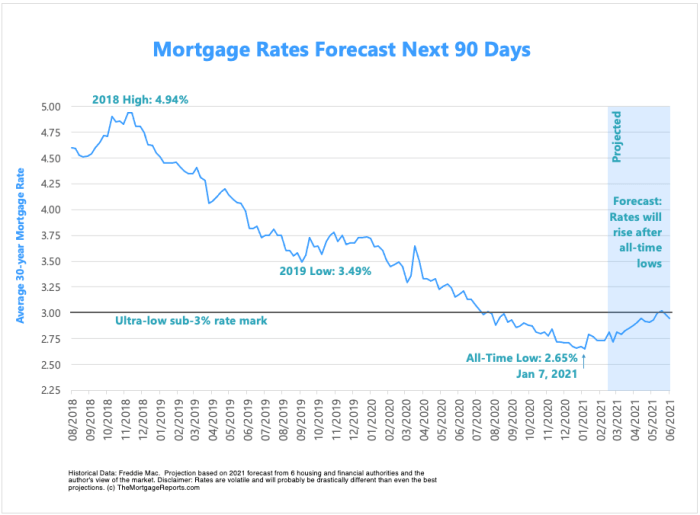
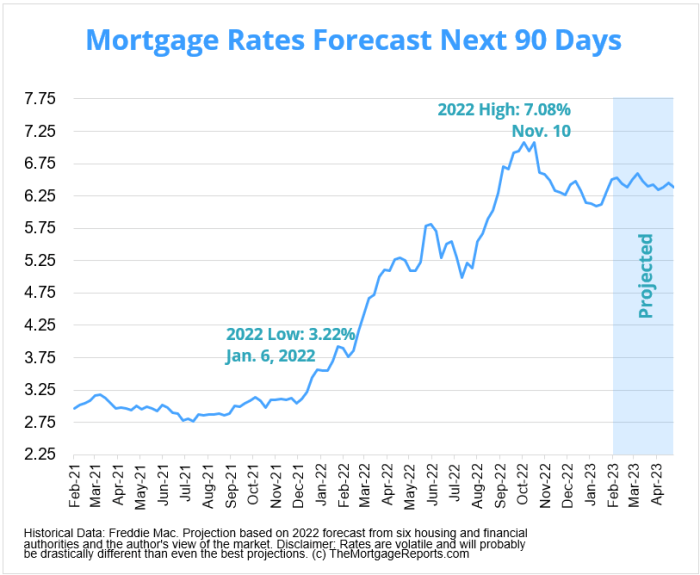
Predicting mortgage rate changes involves analyzing various factors to anticipate future movements in interest rates. By examining historical data trends, monitoring economic indicators, and considering geopolitical events, experts can make informed predictions about how mortgage rates may fluctuate in the future.
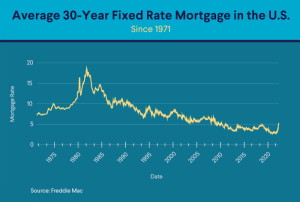
Analyzing Historical Data Trends
- Historical mortgage rate data can provide valuable insights into how rates have behaved in the past.
- By identifying patterns and trends from previous rate movements, analysts can make educated guesses about potential future changes.
- Factors such as inflation rates, economic growth, and Federal Reserve policies can all impact mortgage rates over time.
Geopolitical Events and Mortgage Rates
- Geopolitical events, such as wars, trade disputes, or political unrest, can have a significant impact on global financial markets.
- Uncertainty or instability caused by these events can lead to fluctuations in mortgage rates as investors react to the changing landscape.
- When predicting mortgage rate changes, it’s important to consider how geopolitical factors may influence market sentiment and interest rates.
The Role of Market Analysis
- Market analysis involves examining current economic conditions, trends, and forecasts to assess how they may affect mortgage rates.
- By staying up-to-date on market news and expert opinions, analysts can better understand the factors driving rate changes.
- Utilizing market analysis tools and techniques can help in making more accurate predictions about future mortgage rate movements.
Strategies for Monitoring Mortgage Rates
Staying informed about current mortgage rate trends is crucial for anyone looking to refinance or purchase a home. Monitoring mortgage rates can help you make informed decisions and potentially save thousands of dollars in the long run.
Tips for Staying Informed
- Subscribe to mortgage rate alerts from financial websites or lenders to receive updates directly to your inbox.
- Follow reputable financial news sources that regularly report on mortgage rate changes and trends.
- Utilize mortgage rate tracking tools and apps that provide real-time updates on rate fluctuations.
Tools and Resources for Tracking Mortgage Rate Changes
- Bankrate and Freddie Mac offer weekly mortgage rate surveys that can give you a snapshot of the current rates.
- Use online mortgage rate comparison websites to see how different lenders are pricing their mortgage products.
- Consult with a mortgage broker who can provide personalized insights and recommendations based on your financial situation.
Importance of Monitoring Mortgage Rates
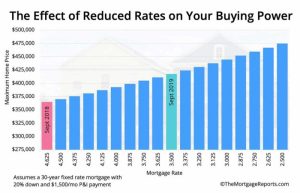
When considering refinancing or purchasing a home, monitoring mortgage rates is essential to ensure you lock in the best possible rate. Even a slight decrease in the interest rate can lead to significant savings over the life of your loan. By staying informed and proactive, you can take advantage of favorable rate changes and make the most of your mortgage.
In conclusion, arming yourself with the knowledge and tools to predict mortgage rate changes can empower you in making informed financial decisions regarding your home.
Popular Questions
How can geopolitical events impact mortgage rates?
Geopolitical events can create uncertainty in the market, leading to fluctuations in mortgage rates as investors react to global developments.
Why is it important to monitor mortgage rates?
Monitoring mortgage rates allows individuals to capitalize on favorable rate changes, potentially saving money on refinancing or home purchases.