Embark on a journey through the world of mortgage rates as we explore the best strategies, current trends, and key factors affecting refinancing decisions.
Discover how to secure the most favorable mortgage rates and make informed decisions for your refinancing needs.
MORTGAGE RATES
When it comes to refinancing your mortgage, one of the key factors to consider is the mortgage rates. Mortgage rates refer to the interest rate charged on a mortgage loan, which determines how much you will pay in interest over the life of the loan.
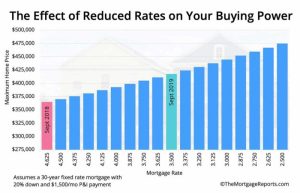
These rates play a crucial role in refinancing decisions as they directly impact the overall cost of borrowing. A lower mortgage rate can result in significant savings over time, while a higher rate can increase the total amount you pay towards your loan.
Fixed-Rate vs Adjustable-Rate Mortgages
When refinancing, you may have the option to choose between a fixed-rate mortgage and an adjustable-rate mortgage. Here’s a comparison of the two:
- Fixed-Rate Mortgage: With a fixed-rate mortgage, the interest rate remains the same throughout the life of the loan. This provides predictability and stability as your monthly payments will not change. It is a popular choice for those who prefer consistency and want to avoid fluctuations in interest rates.
- Adjustable-Rate Mortgage: An adjustable-rate mortgage, on the other hand, has an interest rate that can change periodically based on market conditions. While initial rates may be lower than fixed-rate mortgages, they can increase over time, leading to higher monthly payments. This option may be suitable for those who plan to sell or refinance before the rate adjustments occur.
FACTORS AFFECTING MORTGAGE RATES
When it comes to mortgage rates, there are several key factors that play a significant role in determining the interest rates offered to borrowers. These factors can range from economic indicators to individual financial profiles.
Economic Indicators Impact
Economic indicators such as inflation and employment rates have a direct impact on mortgage rates. Inflation refers to the rise in prices of goods and services over time, and when inflation is high, lenders typically increase mortgage rates to compensate for the decrease in purchasing power of the dollar. On the other hand, employment rates play a role in mortgage rates as well.
When unemployment rates are low, it indicates a healthy economy, leading to higher mortgage rates as demand for loans increases.
Credit Score and Down Payment Size Influence
Credit score and down payment size are crucial factors that can impact the mortgage rates offered to borrowers. A higher credit score demonstrates a borrower’s creditworthiness and responsibility in managing debt, leading to lower interest rates as lenders view them as less risky. Conversely, a lower credit score may result in higher interest rates or even difficulty in securing a mortgage.
Additionally, the size of the down payment also plays a role in determining mortgage rates. A larger down payment typically results in lower interest rates as it reduces the lender’s risk and shows the borrower’s commitment to the loan.
STRATEGIES TO OBTAIN THE BEST MORTGAGE RATES FOR REFINANCING
To secure the best mortgage rates for refinancing, it is essential to consider various strategies that can help you save money in the long run.
Improving Credit Scores
One of the most effective ways to secure lower mortgage rates is by improving your credit score. Lenders often offer better rates to borrowers with higher credit scores as they are considered less risky. To boost your credit score, make sure to pay your bills on time, keep your credit card balances low, and avoid opening new credit accounts unnecessarily.
Shopping Around and Comparing Offers
It is crucial to shop around and compare offers from different lenders before committing to a refinancing deal. By obtaining quotes from multiple lenders, you can compare interest rates, closing costs, and terms to find the most competitive offer. This process can help you save thousands of dollars over the life of your loan.
Negotiating with Lenders
When refinancing, don’t be afraid to negotiate with lenders to secure the best possible rates. Be prepared to leverage competing offers and consider asking for lower interest rates or reduced fees. Lenders may be willing to negotiate to earn your business, especially if you have a strong credit history and stable financial situation.
CURRENT MARKET TRENDS IN MORTGAGE RATES
The current market trends in mortgage rates play a crucial role in determining the cost of refinancing. Understanding these trends and factors influencing them can help borrowers make informed decisions.
Impact of Federal Reserve Decisions
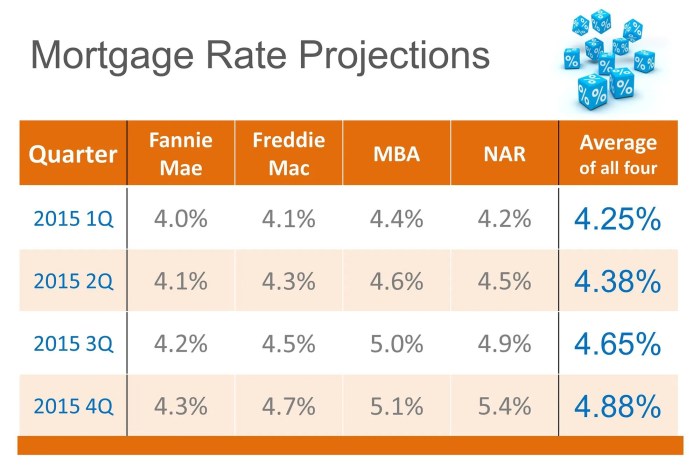
The Federal Reserve’s decisions on interest rates have a direct impact on mortgage rates. When the Fed raises rates, mortgage rates tend to increase as well. Conversely, when the Fed cuts rates, mortgage rates may decrease. Keeping an eye on the Federal Reserve’s announcements and projections can give insight into potential changes in mortgage rates.
Historical Mortgage Rate Changes
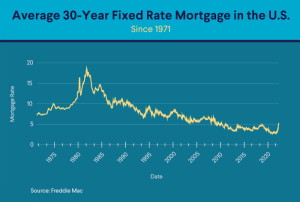
Analyzing historical mortgage rate changes can provide valuable insights into predicting future trends. By looking at past data, patterns, and fluctuations, borrowers can make more informed decisions about when to refinance. Factors such as economic conditions, inflation rates, and global events can all influence mortgage rate trends.
Current Market Conditions
The current market conditions, including economic indicators, job market trends, and inflation rates, can also impact mortgage rates. For example, a strong economy may lead to higher mortgage rates, while a weaker economy may result in lower rates. Staying informed about these market conditions can help borrowers time their refinancing to secure the best possible rates.
Explore the possibilities of obtaining the best mortgage rates for refinancing with the knowledge and insights gained from this comprehensive guide.
Question Bank
How can I improve my credit score to secure lower mortgage rates?
To improve your credit score, focus on making timely payments, reducing debt, and checking your credit report for any errors.
Why is it important to shop around for mortgage offers?
Shopping around allows you to compare rates and terms from different lenders, helping you find the best deal for your refinancing needs.
What external factors can influence mortgage rate fluctuations?
External factors such as Federal Reserve decisions, economic indicators, and market trends can all impact mortgage rates.