With Mortgage Rates for 30-Year Loans at the forefront, this paragraph opens a window to an amazing start and intrigue, inviting readers to embark on a storytelling journey filled with unexpected twists and insights.
Mortgage rates play a crucial role in the home buying process, influencing long-term financial commitments and decisions. Understanding how these rates work and knowing how to monitor and secure the best deals is essential for anyone looking to invest in a 30-year loan. In this guide, we’ll dive deep into the world of mortgage rates, exploring key factors, trends, and tips for borrowers.
MORTGAGE RATES
When it comes to purchasing a home, understanding mortgage rates is crucial. Mortgage rates refer to the interest charged on a mortgage loan, which is the amount borrowed to buy a home. These rates can have a significant impact on the total cost of the loan over time.
Several factors influence mortgage rates for 30-year loans, including:
Factors Influencing Mortgage Rates
- The state of the economy: Mortgage rates tend to rise when the economy is doing well and fall during economic downturns.
- The Federal Reserve: The Federal Reserve’s decisions on interest rates can directly impact mortgage rates.
- Inflation: Higher inflation rates typically lead to higher mortgage rates.
- Credit score: Borrowers with higher credit scores usually qualify for lower mortgage rates.
- Loan amount and down payment: The size of the loan and the down payment can affect the interest rate offered.
Fixed-Rate vs. Adjustable-Rate Mortgages
Fixed-rate mortgages have a set interest rate that remains constant throughout the loan term, providing predictability for homeowners. On the other hand, adjustable-rate mortgages (ARMs) have interest rates that can fluctuate based on market conditions. While ARMs may offer lower initial rates, they can increase over time, leading to higher payments.
IMPORTANCE OF MONITORING MORTGAGE RATES
Monitoring mortgage rates is crucial before securing a 30-year loan as it directly impacts the total amount of interest paid over the life of the loan. Even a small difference in interest rates can lead to significant savings or additional costs in the long run.
Tips for Monitoring Mortgage Rates
- Regularly check financial news websites or mortgage rate comparison websites to stay informed about current rates.
- Sign up for rate alerts or notifications from lenders to receive updates on any changes in mortgage rates.
- Consult with a mortgage broker or financial advisor who can provide insights into market trends and help you make informed decisions.
- Keep an eye on economic indicators like inflation rates, unemployment numbers, and Federal Reserve announcements, as these can influence mortgage rates.
Impact of Fluctuations in Mortgage Rates on Financial Planning
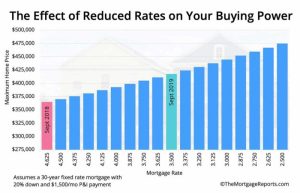
Fluctuations in mortgage rates can have a significant impact on long-term financial planning, affecting monthly mortgage payments, overall interest costs, and the total amount paid over the life of the loan. Lower rates can result in savings and enable borrowers to pay off their loans faster, while higher rates may lead to increased costs and potentially strain financial resources.
TRENDS AND FORECASTS
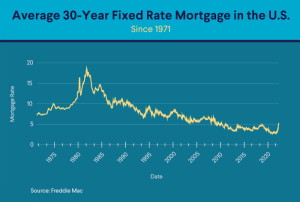
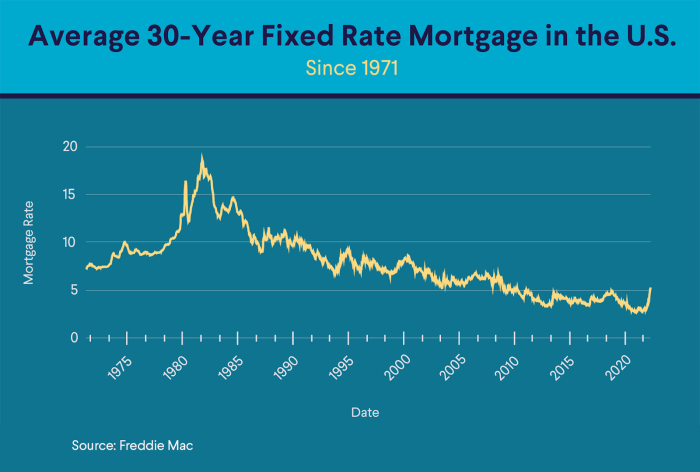
When looking at the current trends in 30-year mortgage rates, it’s important to compare them to historical data to gain a better understanding of the market. Analyzing expert forecasts for future changes in mortgage rates for 30-year loans can provide valuable insights into potential shifts. Additionally, economic indicators play a crucial role in predicting the direction of mortgage rates.
Current Trends in 30-Year Mortgage Rates
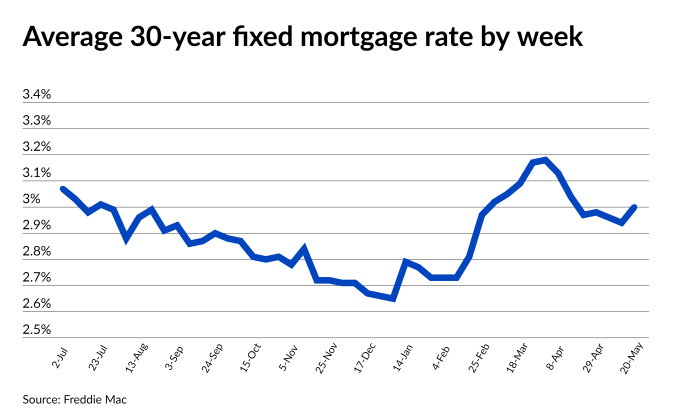
Currently, 30-year mortgage rates are at historically low levels, making it an opportune time for potential homebuyers to secure a loan. These rates have been influenced by various factors such as economic conditions, inflation rates, and government policies. By monitoring these trends, borrowers can make informed decisions about when to lock in a rate.
Expert Forecasts for Future Changes
Experts predict that mortgage rates for 30-year loans may gradually increase in the coming months due to improving economic conditions and rising inflation. However, the pace of these increases is expected to be moderate, providing some stability for borrowers. It’s essential for individuals in the market for a mortgage to stay updated on these forecasts to plan accordingly.
Role of Economic Indicators
Economic indicators such as GDP growth, unemployment rates, and Federal Reserve policies can offer insights into potential shifts in mortgage rates. For example, a strong economy usually leads to higher mortgage rates as demand for loans increases. On the other hand, a struggling economy may result in lower rates to stimulate borrowing and spending. Keeping an eye on these indicators can help borrowers anticipate changes in mortgage rates.
SHOPPING FOR MORTGAGE RATES
When shopping for mortgage rates for a 30-year loan, it is essential to compare different lenders and their offerings to ensure you secure the best deal possible. By doing so, borrowers can make informed decisions that will benefit them in the long run.
Steps Involved in Shopping for the Best Mortgage Rates
- Research and Compare: Start by researching various lenders and their current mortgage rates. Look at both traditional banks and online lenders to get a comprehensive view of the market.
- Check Your Credit Score: Your credit score plays a significant role in the interest rate you’ll be offered. Make sure your credit score is in good shape before applying for a mortgage.
- Get Pre-Approved: Getting pre-approved for a mortgage can give you a better idea of the rates you qualify for, allowing you to narrow down your search.
- Negotiate with Lenders: Don’t be afraid to negotiate with lenders to secure a better rate. Use competing offers as leverage to get a more favorable deal.
Strategies for Negotiating Favorable Mortgage Rates
- Highlight Your Strong Financial Position: Show lenders that you are a low-risk borrower by emphasizing your stable income, savings, and low debt-to-income ratio.
- Consider Buying Points: You can lower your interest rate by paying upfront for discount points. Calculate if this option makes financial sense for you.
- Ask About Special Programs: Inquire with lenders about any special programs or discounts they offer that could help you secure a better rate.
- Be Willing to Walk Away: If a lender is not willing to negotiate to your satisfaction, be prepared to walk away and explore other options. Competition in the market can work in your favor.
In conclusion, staying informed about mortgage rates for 30-year loans is vital for making sound financial decisions. By understanding the nuances of fixed-rate and adjustable-rate mortgages, monitoring market trends, and employing smart shopping strategies, borrowers can secure favorable terms that align with their long-term goals. Stay proactive, stay informed, and make the most of your mortgage journey.
Questions Often Asked
What factors influence mortgage rates for 30-year loans?
The factors include economic conditions, inflation rates, credit scores, loan amounts, and market demand.
How can borrowers effectively track changing mortgage rates?
Borrowers can stay updated by following financial news, using online rate comparison tools, and consulting with mortgage brokers.
What are the key steps involved in shopping for the best mortgage rates?
Steps include researching multiple lenders, comparing offers, negotiating terms, and considering closing costs and fees.